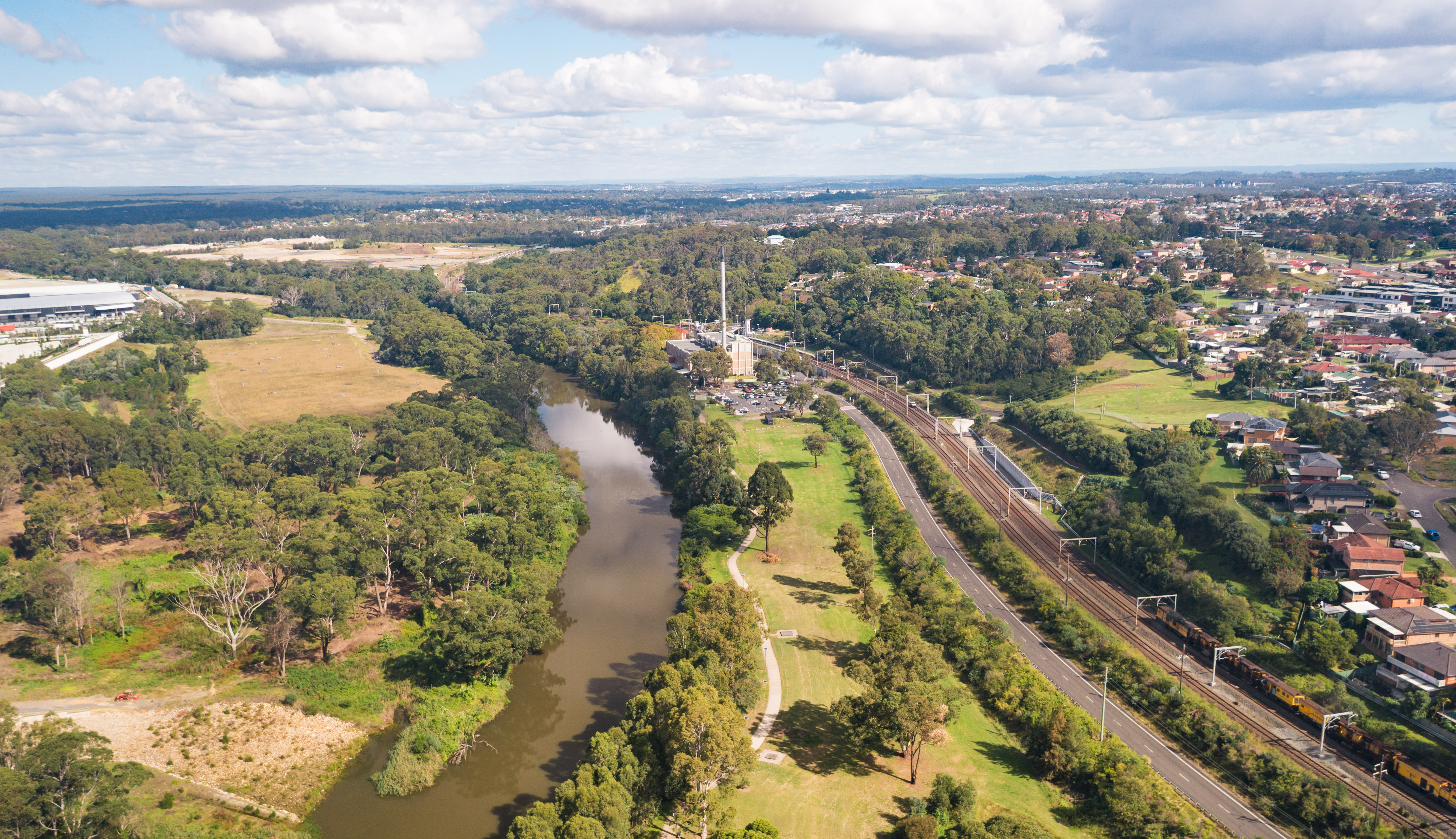
Nestled along the banks of the Georges River, Liverpool Powerhouse sits on land that has long been a place of gathering, storytelling, and creativity. For thousands of years, the Dharug, Dharawal, and Gandangara peoples cared for this Country, using the river and its surrounds as an important site for fishing, ceremony, and connection.
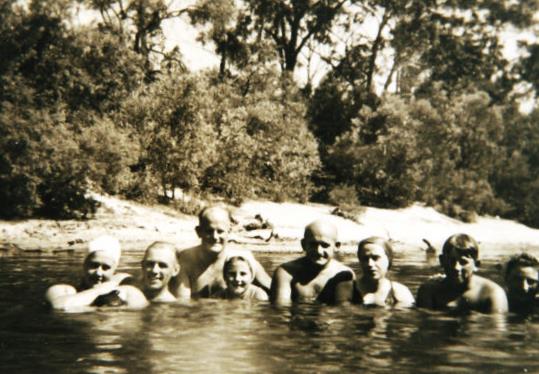
In the early 20th century, the site became a much-loved local retreat known as the Casula pleasure gardens—famous for their picnic spots, fruit trees, and boating facilities. Families would spend weekends by the water, enjoying the natural beauty and vibrant community atmosphere.
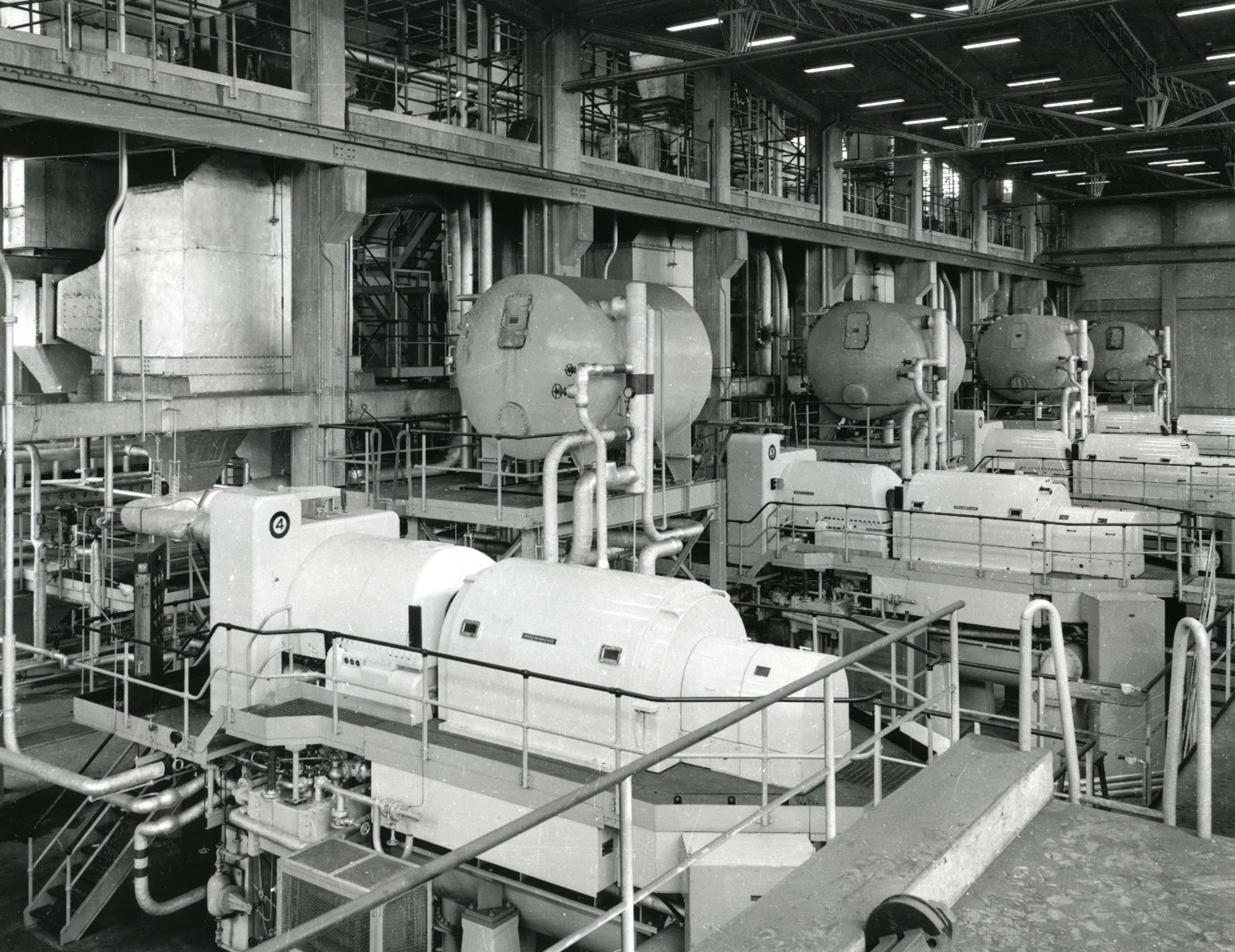
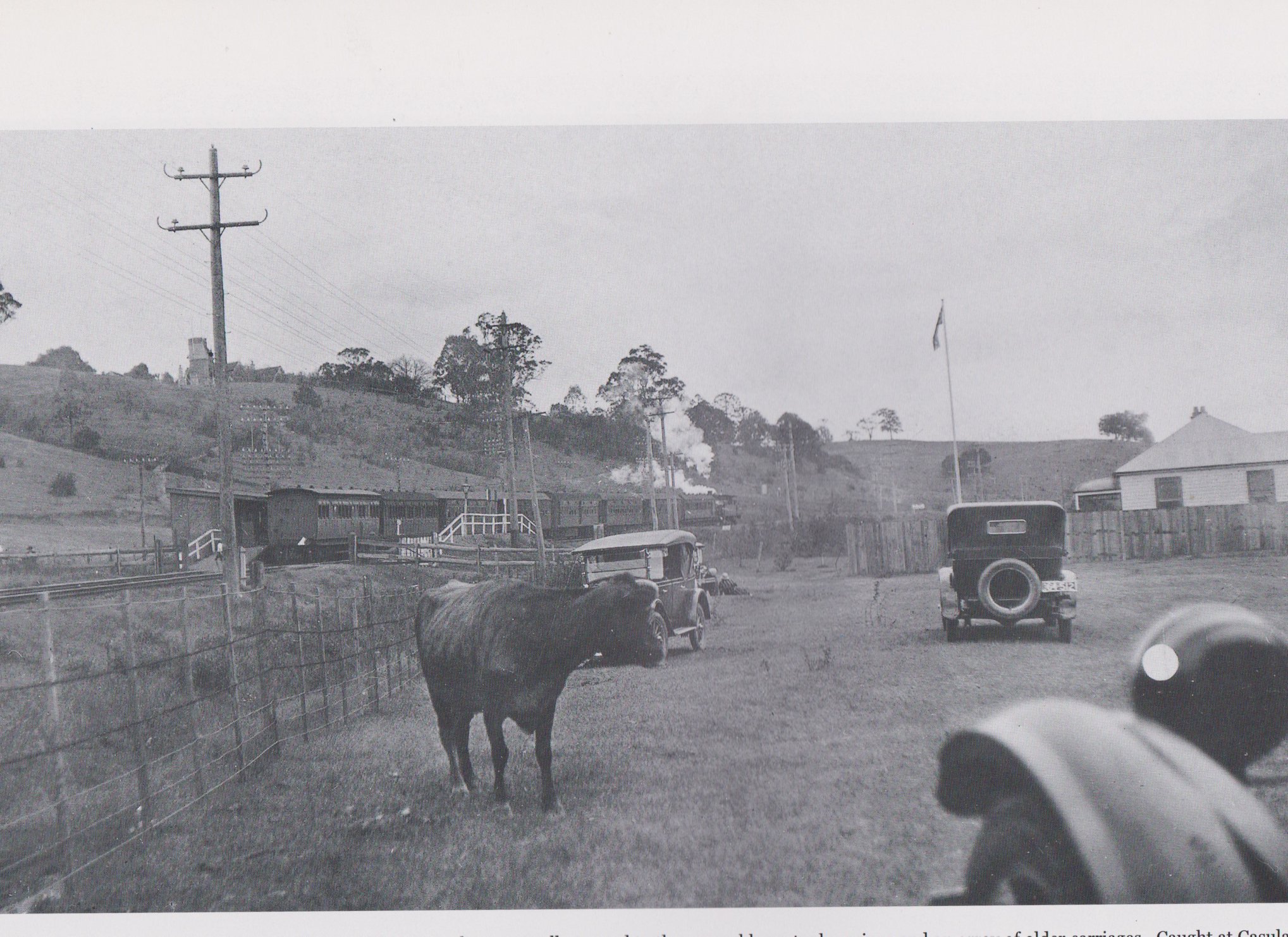
This tranquil setting changed in 1951, when the NSW Electricity Commission built the Liverpool Powerhouse to help supplement the city’s electricity supply. The building, one of several identical structures across Sydney, played a vital role during periods of winter demand and power shortages. Its towering 250-foot stack—added in 1955 after locals complained that smoke from the shorter chimneys dirtied their washing—became a striking industrial landmark.
After closing in 1976, the site lay dormant until 1978 when Liverpool City Council purchased the building for $75,000. A decade later, the people of Liverpool voted in a plebiscite to transform the disused powerhouse into an arts centre. By 1994, with strong community and Council support the centre opened as Casula Powerhouse Arts Centre and quickly became a key destination for contemporary art, culture, and community events
After a 22 month closure, the Casula Powerhouse reopened on 5 April 2008 with significantly improved and new facilities.
Today, reclaiming its original name, Liverpool Powerhouse stands as a vibrant cultural hub, reflecting the diverse stories and creative spirit of our community.